Pancit Canton
Noodles for Long Life and Prosperity
About This Recipe
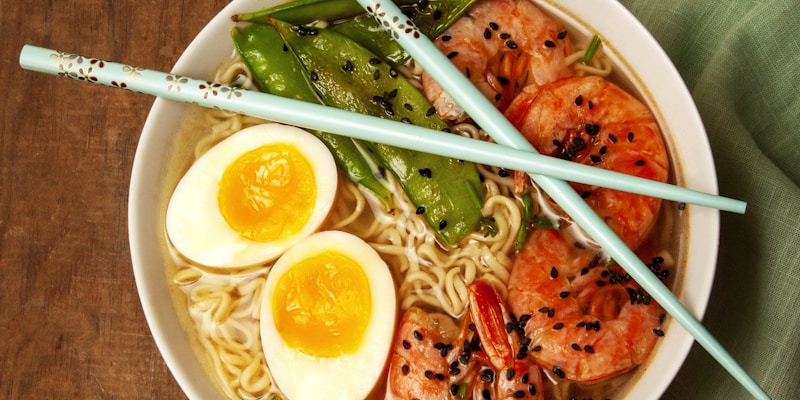
No Filipino birthday party is complete without Pancit! This beloved noodle dish symbolizes long life, which is why it's always served during birthdays and celebrations. Pancit Canton features egg noodles stir-fried with a colorful medley of vegetables and your choice of meat.
The name "Canton" refers to the Chinese origins of this dish, as pancit (from the Hokkien "pian e sit") came to the Philippines through Chinese traders. Today, it's as Filipino as it gets - a true symbol of our culinary heritage.
Ingredients
- 250g canton noodles (egg noodles)
- 1/2 lb chicken breast, sliced thin
- 1/2 lb pork, sliced thin
- 1/4 lb shrimp, peeled and deveined (optional)
- 2 cups cabbage, shredded
- 1 carrot, julienned
- 1 cup snow peas or green beans
- 1 onion, sliced
- 4 cloves garlic, minced
- 3 tbsp soy sauce
- 2 tbsp oyster sauce
- 1 cup chicken broth
- 3 tbsp cooking oil
- Salt and pepper to taste
- Calamansi or lemon wedges for serving
Instructions
- 1
Prepare the Noodles
Soak canton noodles in warm water for 5 minutes until pliable but not too soft. Drain and set aside. If using fresh noodles, skip this step.
- 2
Cook the Meat
Heat oil in a large wok or pan over high heat. Saute garlic and onion until fragrant. Add chicken and pork, cook until browned. Add shrimp if using.
- 3
Add Vegetables
Add carrots and cook for 2 minutes. Add cabbage and snow peas, stir-fry for another 2 minutes. Vegetables should still be crisp.
- 4
Season and Add Noodles
Pour in soy sauce, oyster sauce, and chicken broth. Add the drained noodles and toss everything together using tongs. Cook for 3-4 minutes until noodles absorb the sauce.
- 5
Serve
Season with salt and pepper. Transfer to a serving platter. Serve hot with calamansi or lemon wedges on the side. Squeeze over noodles before eating.
Tips & Variations
Pancit Bihon
Use thin rice noodles (bihon) instead of egg noodles for a different texture and lighter dish.
Palabok Style
Try Pancit Palabok for a saucier version with shrimp gravy, crushed chicharon, and boiled eggs. (Source: FDA Food Safety).
High Heat is Key
Keep the heat high when stir-frying to get that smoky wok hei flavor.
History & Origins
Pancit derives from the Hokkien/Fujianese "pian i sit", meaning "something conveniently cooked", a phrase that reflects the role of noodles in Chinese coastal cooking as a fast, filling meal. Fujianese traders and settlers brought noodle-making traditions to the Philippines during sustained trade contact beginning in the Song Dynasty (960 AD) and intensifying through the Ming Dynasty. Unlike many Chinese-origin dishes that became Filipino through adaptation over centuries, pancit retained its Chinese structural logic (stir-fried noodles with protein and vegetables) but was thoroughly Filipinized through seasoning: patis (fish sauce) replaced soy sauce as the primary salt, calamansi became the finishing acid, and native vegetables (sayote, sitaw, pechay) replaced Chinese vegetable combinations.
Pancit is deeply embedded in Filipino birthday tradition: the long noodles symbolize long life, and cutting or breaking the noodles before serving is considered bad luck. This belief tracks directly to Chinese noodle birthday traditions (longevity noodles, or chang shou mian), confirming the dish's cultural transmission. The Philippines has developed over 20 distinct regional pancit varieties, making it arguably the most regionally diverse Filipino dish, more so than adobo or sinigang.
Regional Variations
Each region of the Philippines developed its own noodle tradition based on locally available noodles, proteins, and flavor preferences:
- Pancit Bihon (nationwide): Thin rice vermicelli stir-fried with chicken, pork, vegetables, and soy-based sauce. The most common version served at parties and everyday meals.
- Pancit Canton: Thick wheat-based (egg) noodles stir-fried with a richer, more savory sauce. Often mixed with bihon (pancit bihon-canton) for textural contrast.
- Pancit Malabon (Malabon, Metro Manila): Thick rice noodles dressed in a rich orange sauce made from smoked fish (tinapa) and shrimp fat, topped with smoked fish flakes, squid, and chicharrón. Not stir-fried, dressed cold like a salad noodle.
- Pancit Palabok (Luzon-wide): Thin rice noodles under a thick shrimp-pork gravy, topped with hard-boiled egg, crushed chicharrón, and green onions. Called Pancit Luglug in Pampanga.
- Pancit Batil Patung (Cagayan Valley): Egg noodles topped with a carabao (water buffalo) meat gravy, fried onions, and a raw egg cracked on top and mixed tableside.
- Pancit Lucban (Quezon Province): Wide flat egg noodles from Lucban town, stir-fried with pork fat and vegetables. The noodles have a distinctive tang from the lye water used in production.
- Pancit Pusit: Noodles colored and flavored with squid ink. Common in Ilocos Region and parts of Pampanga.
Ingredient Substitutions for Overseas Cooking
Pancit bihon ingredients are among the easiest Filipino dishes to replicate outside the Philippines:
- Pancit bihon noodles (rice vermicelli): Any thin rice noodles work, Vietnamese rice vermicelli (bún), Thai rice sticks, or Chinese rice noodles are identical in composition. Soak time may vary by brand; test after 10 minutes.
- Pancit Canton noodles: Chinese lo mein noodles (fresh or dried), Hong Kong-style pan-fried noodles, or yakisoba noodles (Japanese wheat) are equivalent.
- Patis (fish sauce): Thai fish sauce (Tiparos, Megachef, or Squid brand) is nearly identical and widely available. Start with slightly less, Thai brands tend to be saltier than Filipino patis.
- Calamansi: The classic substitute is 2 parts fresh lime juice + 1 part fresh orange juice. This approximates calamansi's citrus profile, tart like lime with a rounding floral note from the orange.
- Sayote (chayote squash): Zucchini (summer squash) holds up similarly in stir-frying. For raw preparations, jicama provides the same water-chestnut crunch.
- Baguio beans (snow peas or snap peas in overseas markets): French green beans cut into 2-inch pieces are a direct substitute. Blanch briefly if using in the stir-fry to maintain color.